
Painting In the ruins of Roman architecture, the three Fates erect a marble lion - Jan Baptist Weenix


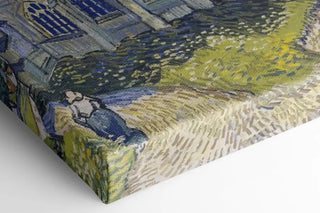
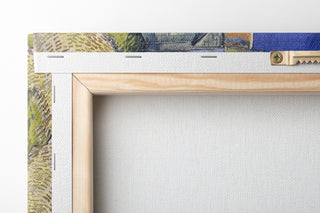
Rear View
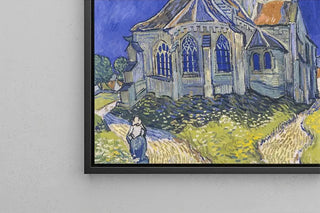
FRAME (OPTIONAL)
In a world where the sublime and the tragic meet, Jan Baptist Weenix's artwork, "In the ruins of Roman architecture, the three Fates raise a marble lion," stands out as a powerful testament to grandeur and decay. This painting, with its rich composition and meticulous details, immerses us in a universe where the glorious past of ancient Rome intertwines with mythology. The Fates, iconic figures of destiny and time, appear frozen here in a moment of contemplation, while the marble lion, a symbol of strength and majesty, rises at the heart of this emotionally charged scene. This piece invites viewers to reflect on the fragility of life and the permanence of art, offering an immersive experience into a bygone era.
Style and uniqueness of the work
Weenix's style is characterized by an exceptional mastery of light and shadow, creating an atmosphere that is both dramatic and poetic. In this piece, the use of earthy colors and subtle nuances brings the ruins of Roman architecture to life, as if telling a story through each stone. The Fates, depicted with remarkable delicacy, embody the duality of beauty and mortality. The marble lion, meanwhile, stands out for its striking realism, representing not only a technical achievement but also a reflection on the very nature of art. This juxtaposition between the fragility of human figures and the robustness of the marble lion creates a fascinating dialogue on permanence and ephemerality, a theme dear to Baroque art.
The artist and his influence
Jan Baptist Weenix, a Dutch painter of the 17th century, left his mark through an innovative approach and a unique sensitivity. Influenced by the great masters of Flemish painting, he developed a personal style that combines realism and symbolism. His interest in still lifes and landscapes, as well as his penchant for mythological themes, contributed to shaping his artistic identity. Weenix was also a keen observer
Painting In the ruins of Roman architecture, the three Fates erect a marble lion - Jan Baptist Weenix

ABOUT OUR PAINTINGS :
Canvas, matte finish print, mounted on a wooden structure, ready to hang. Framing options available on certain sizes.
Automatically benefit from increasing discounts based on your order amount
FROM €95 / $95 → –10%
FROM €195 / $195 → –15 %
Regular price
- Unit price
- per
Free shipping
From €49 in purchases ($49 for the USA and Canada)
Satisfied or Money Back
Free returns within 30 days
10-year warranty
Our prints are guaranteed for 10 years
THE STEPS OF YOUR ORDER

STEP 1 - ORDER PLACED
Your order has been confirmed and we are starting production
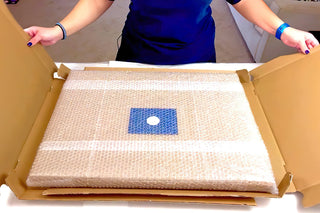
STEP 2 - SHIPPING
We ship your order. We will send you an email to track the progress.

STEP 3 - DELIVERY
You receive your order. You can also, according to your choice, be delivered to a relay point.
Matte finish reproduction
Rear View
FRAME (OPTIONAL)
In a world where the sublime and the tragic meet, Jan Baptist Weenix's artwork, "In the ruins of Roman architecture, the three Fates raise a marble lion," stands out as a powerful testament to grandeur and decay. This painting, with its rich composition and meticulous details, immerses us in a universe where the glorious past of ancient Rome intertwines with mythology. The Fates, iconic figures of destiny and time, appear frozen here in a moment of contemplation, while the marble lion, a symbol of strength and majesty, rises at the heart of this emotionally charged scene. This piece invites viewers to reflect on the fragility of life and the permanence of art, offering an immersive experience into a bygone era.
Style and uniqueness of the work
Weenix's style is characterized by an exceptional mastery of light and shadow, creating an atmosphere that is both dramatic and poetic. In this piece, the use of earthy colors and subtle nuances brings the ruins of Roman architecture to life, as if telling a story through each stone. The Fates, depicted with remarkable delicacy, embody the duality of beauty and mortality. The marble lion, meanwhile, stands out for its striking realism, representing not only a technical achievement but also a reflection on the very nature of art. This juxtaposition between the fragility of human figures and the robustness of the marble lion creates a fascinating dialogue on permanence and ephemerality, a theme dear to Baroque art.
The artist and his influence
Jan Baptist Weenix, a Dutch painter of the 17th century, left his mark through an innovative approach and a unique sensitivity. Influenced by the great masters of Flemish painting, he developed a personal style that combines realism and symbolism. His interest in still lifes and landscapes, as well as his penchant for mythological themes, contributed to shaping his artistic identity. Weenix was also a keen observer
ANY QUESTIONS?
We are here! Send us an email at contact@artemlegrand.com
(Monday to Saturday 8:30 AM to 7:30 PM)